Description
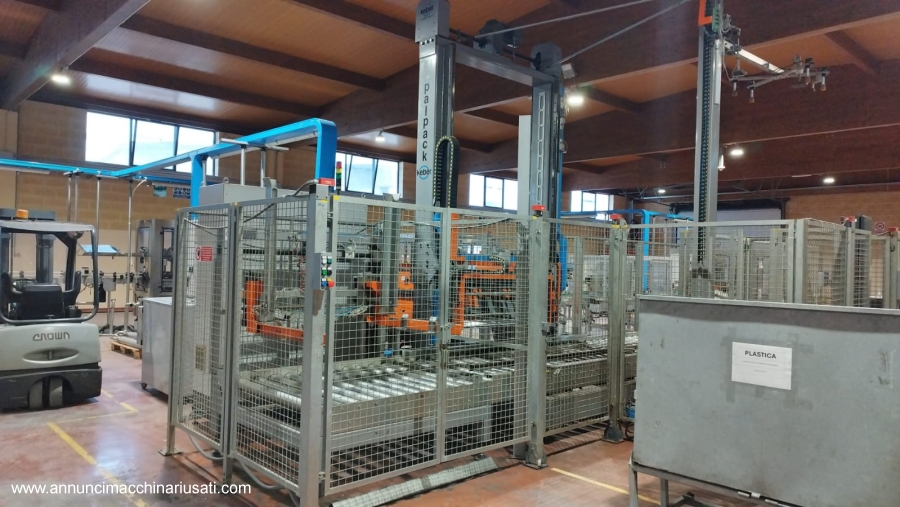
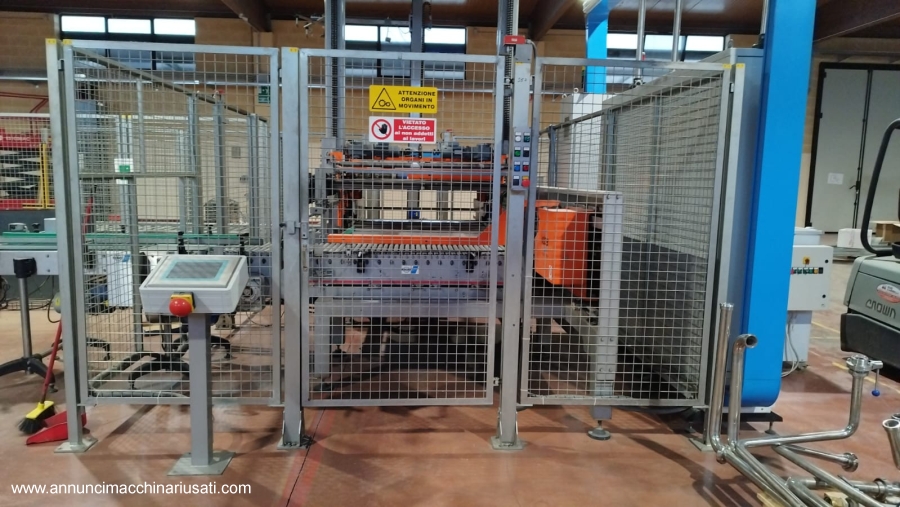
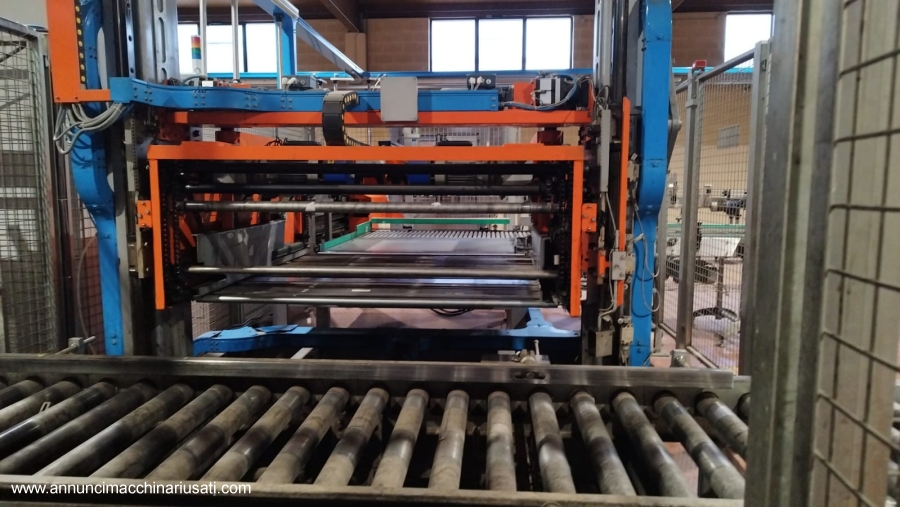
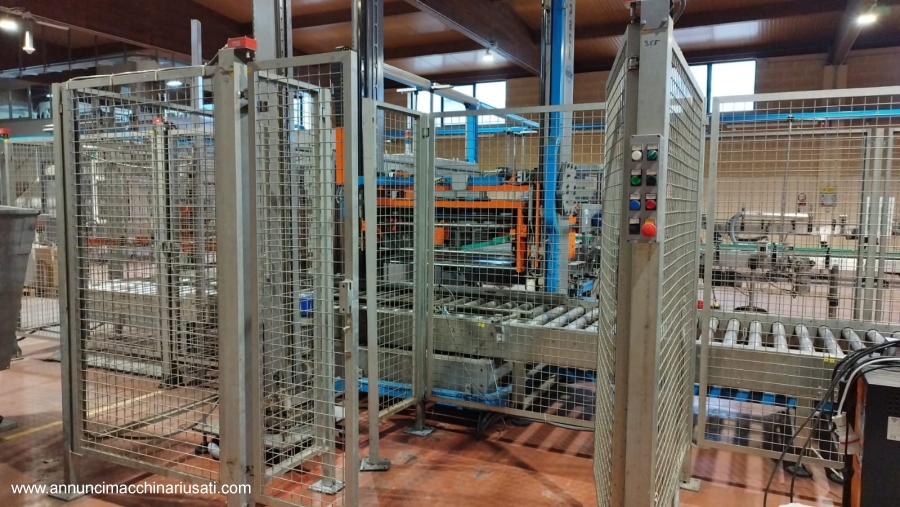
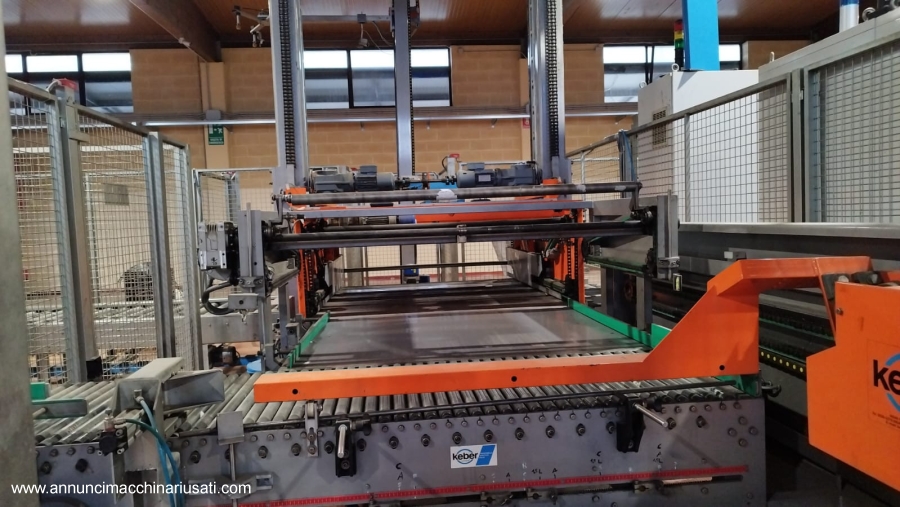
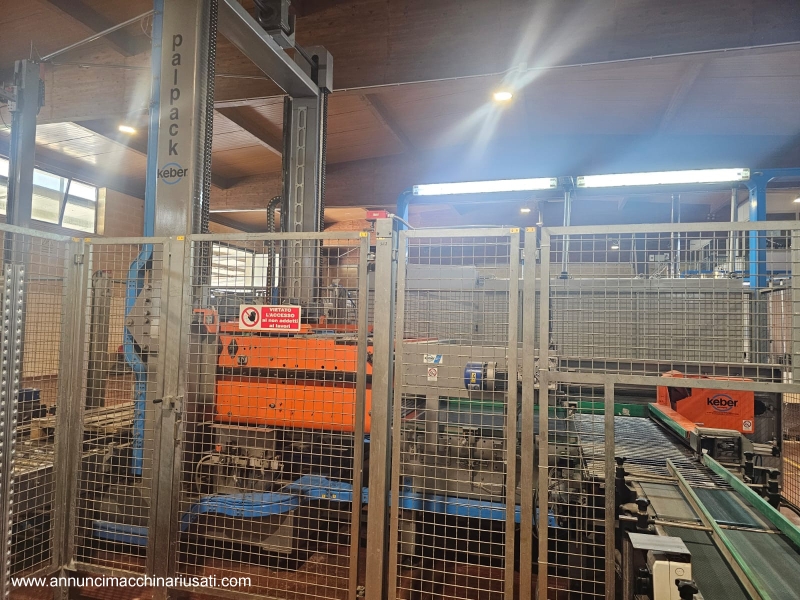
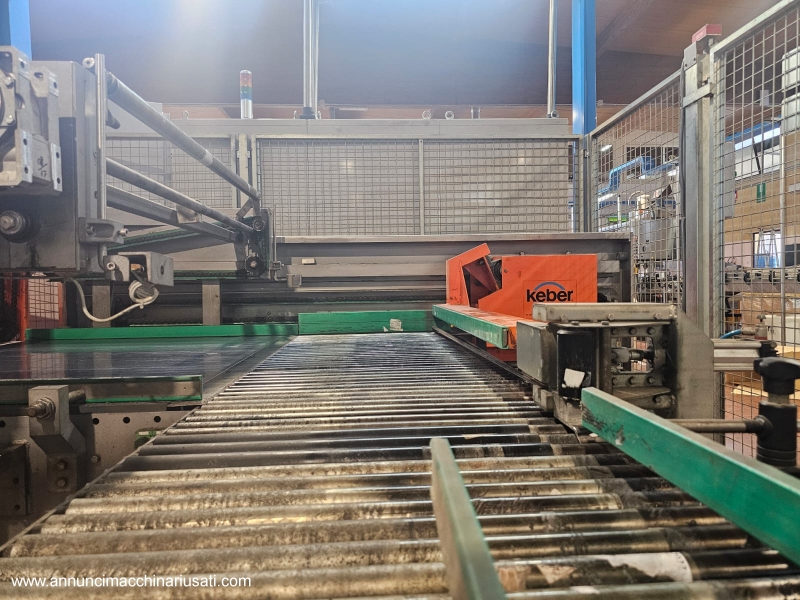
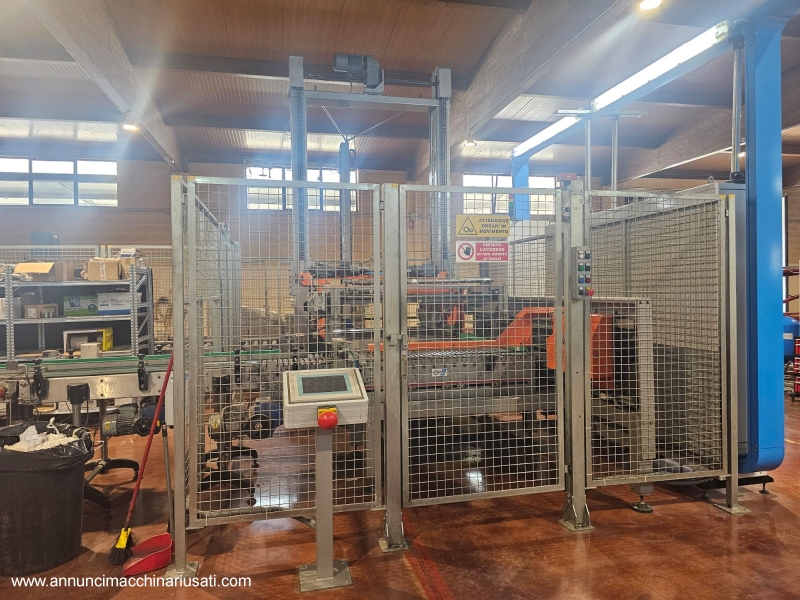
Used Keber PALPACK DS Palletizer The Keber PALPACK DS is a conventional automatic palletizer designed for end-of-line carton palletizing in beverage manufacturing and industrial packaging environments. This secondary solution streamlines the final stage of a bottling line by arranging sealed cartons into stable layers and placing them on pallets according to predefined stacking patterns. Designed for reliable capacity and smooth handling, it helps manufacturers prepare loads for wrapping, storage, and transportation with consistent quality and minimal operator intervention. Manufactured by Keber, the PALPACK DS integrates seamlessly into complete packaging lines that process glass bottles packaged in cartons. Typical applications include bottled beverages in standard retail sizes such as 0.75L, 1.0L, and 1.5L. Its convenient layout and robust construction support continuous operation in demanding facilities where uptime and pallet stability are essential. Whether upgrading an existing used bottling line or expanding capacity, this palletizing system delivers reliable performance in a compact, easy-to-manage footprint. Technical Specifications and Performance Data Manufacturer: Keber Model: PALPACK DS Machine Type: Conventional Automatic Case Palletizer Year: 2004 Container Handling: Designed for glass bottles packaged in cartons Bottle Formats: Compatible with 0.75L, 1.0L, 1.5L bottle formats (cartonized) Pallet Format: Eur-Epal pallet, 800x1200 mm Advanced Automation and Control Systems The PALPACK DS enables automatic layer formation and orderly pallet construction for consistent, repeatable results. Its end-of-line control logic coordinates carton infeed, layer placement, and pallet changeover, helping operators maintain stable stacks for the downstream pallet wrapper. The design supports clear operator access, safety interlocks, and simple adjustments to maintain efficiency during product expressions and format changeovers. Production Line Integration Capability This palletizer is positioned downstream of a heat-sealing stage and upstream of pallet wrapping, enabling a continuous, automated flow from the packaged case to the finished pallet. It is compatible with standard conveyor systems and integrates into bottling lines used to handle glass bottle cartons. The system is suitable for beverage production, where multiple bottle sizes are packaged in cases and prepared for distribution. Typical integration examples include: Upstream: Fusible heat sealer (e.g., TE-CO 607-98) Downstream: Automatic pallet encapsulator (e.g., Imballaggi Service Group EASY WRAP 2000 A) Machine Condition and Maintenance History This equipment is listed as ready for use within a complete line context. It is presented as a functional pre-owned palletizer, suitable for immediate integration into industrial packaging and beverage production workflows. Operational performance and versatility: The PALPACK DS focuses on palletizing cardboard boxes for glass bottle packaging, supporting stable and repeatable pallet loads that protect product quality during handling and transportation. Its design emphasizes consistent layer formation, reliable transfer to pallets, and compatibility with common pallet wrapping systems to ensure finished loads meet logistics requirements. Installation and site preparation requirements: The palletizer is intended for installation at the end of a production or packaging line with appropriate conveyor interfaces. A level floor, adequate space for pallet handling equipment, and maintenance access are recommended. Utilities typically include electricity and, where applicable, compressed air for powered devices and ancillary functions. Safety standards and compliance certification. The system is designed with operator safety in mind, typically incorporating perimeter protection, interlocking access points, and emergency stop circuits, in line with common industrial packaging practices. The palletizing process supports the hygienic handling of secondary packaging for beverage production, where cleanliness, reliability, and load integrity are critical.