


LENZE AND MITSUBISHI INVERTERS

Price: 150,00 150
Phone

Description

Lenze 8200 Vector 4 kW inverter and the Mitsubishi S500

Introduction

Today we present a detailed technical data sheet for the unused Lenze 8200 Vector 4 kW inverter Mitsubishi S500 , a used but fully functional model. These inverters are ideal solutions for controlling electric motors in industrial environments, known for their versatility and reliability.

Visual Appearance and Structure

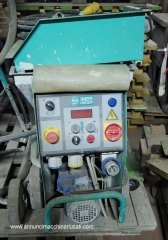
The Lenze 8200 Vector inverter features a compact, modern design. It has a light gray metal casing, with a front control panel featuring an LCD display and navigation buttons for easy access to settings. The inverter measures approximately 300 mm high, 200 mm wide, and 150 mm deep, and weighs approximately 5 kg.

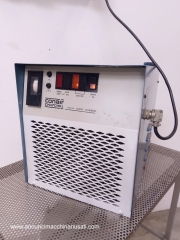
The Mitsubishi S500 , on the other hand, has a robust and functional appearance, characterised by a dark metal casing and a simple and intuitive user interface. Its dimensions are approximately 400 mm high, 300 mm wide and 200 mm deep, and it weighs approximately 8 kg.

Components and Measurements

  • Lenze 8200 Vector Inverter:

    • Rated power : 4 kW
    • Supply voltage : 380-480 V
    • Maximum current : 10 A
    • Frequency : 50/60 Hz
    • Interface : LCD display with buttons
  • Mitsubishi S500:

    • Power : 5.5 kW
    • Voltage : 380V
    • Current : 12 A
    • Frequency : 50 Hz
    • Communication Modules : Included in the design

Mechanical Characteristics

The mechanical characteristics of these inverters are fundamental to their performance:

  • Lenze 8200 Vector Inverter:

    • Dimensions : 300 x 200 x 150 mm
    • Weight : 5 kg
    • Functions : Speed ​​and torque control, management of acceleration and deceleration curves.
  • Mitsubishi S500:

    • Dimensions : 400 x 300 x 200 mm
    • Weight : 8 kg
    • Functions : Programming of different operating modes, integrated protection functions.

Usage Procedure

Using these inverters is simple and straightforward:

  1. Installation : Place the inverters in a well-ventilated area, away from heat sources.
  2. Electrical connection : Make the connections following the specific instructions for each model, making sure to respect the polarities.
  3. Initial setup : Access the control panel and set the operating parameters, such as motor speed and acceleration modes.
  4. Power on : After correct connection and settings, power on the inverters and monitor the operation via the display.

Compatible Accessories

To improve the efficiency and versatility of inverters, various accessories can be used:

  • Remote control panels : Allow you to manage the inverters remotely.
  • EMI Filters : Reducing electromagnetic interference.
  • Protection systems : Fuses and switches to ensure electrical safety.

Formulas for Optimal Parameters

To maximize the efficiency of using inverters, some useful formulas can be applied:

  • Power (P) = Voltage (V) × Current (I)
  • Efficiency (%) = (Useful power / Absorbed power) × 100

These formulas are useful for monitoring and improving operational efficiency.

Workable Materials

Both inverters can control motors used in various industries, including:

  • Pumps : For transporting fluids in various systems.
  • Production equipment : Control of machinery in production lines.
  • Fans and compressors : For moving air in industrial environments.

Recommended Maintenance

To ensure optimal operation, it is important to follow these maintenance practices:

  • Regular checks : Periodically check the connections and operating parameters.
  • Cleaning : Remove dust and debris from the inverters and their openings.
  • Performance Monitoring : Track operating parameters to avoid malfunctions.

Safety Regulations

It is essential to follow safety regulations when installing and using inverters. If CE certifications are not available, it is advisable to:

  • Consult experts to update your devices in accordance with current regulations.
  • Implement safety measures such as overload and short circuit protection.

Rating of Good Used

To determine if a used inverter is good quality, consider:

  • Aesthetic and functional conditions : Ensure that there is no obvious damage.
  • Operation tests : Check that both inverters are operating correctly.
  • Documentation : Check for manuals and certificates of conformity.

Sectors of Use

The Lenze 8200 Vector and Mitsubishi S500 are used in various sectors, including:

  • Manufacturing Industry : Control of production lines and machinery.
  • Energy sector : Automation and management of energy systems.
  • Water treatment : Use in pumps and filtration systems.

Conclusion

Purchasing a Lenze 8200 Vector 4 kW inverter and a Mitsubishi S500 represents a profitable opportunity to improve the efficiency of any industrial plant. Both devices offer high performance and are easily integrated into a variety of applications, allowing you to save costs without compromising on quality.

Specific details

Continent Europe
Nation Italy
Lazio region
Province of Rome

Advertisement details

Ad ID 98418
Used inverter category

Newsletter

Always stay updated

Used Machinery Ads

Explore the vast selection of quality machinery on AnnunciMacchinariUsati.com. From industrial equipment to special vehicles, find the best offers in the world of used machinery. Reliability, transparency and wide variety: all just a click away. Find out more today!

Categories