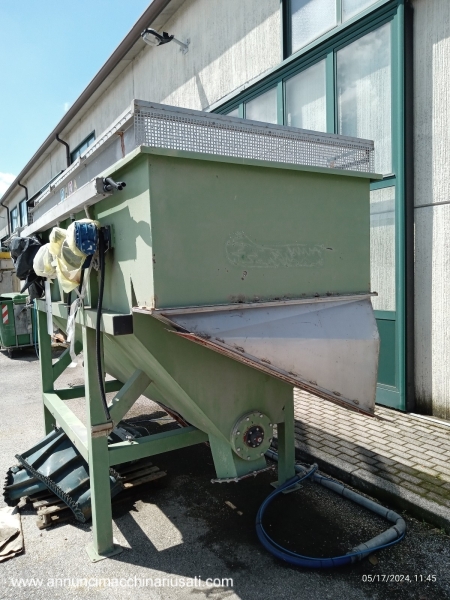
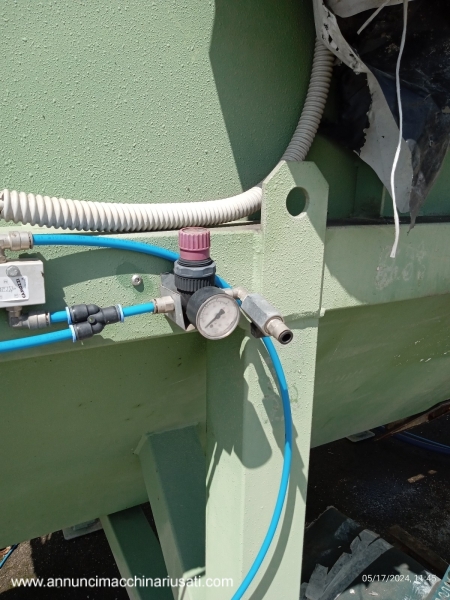
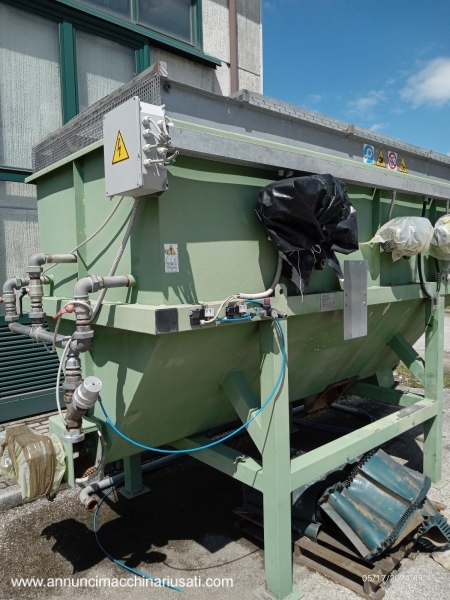
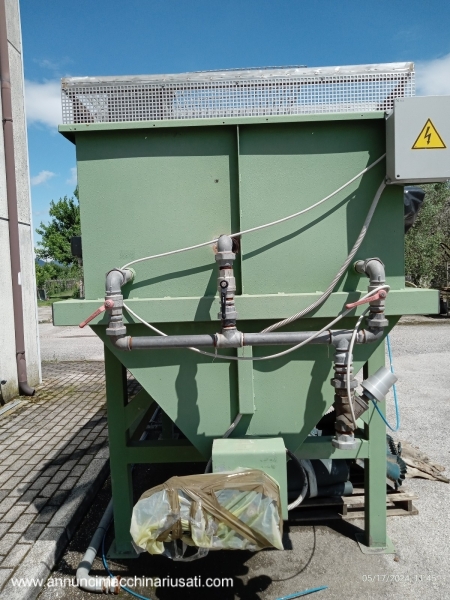
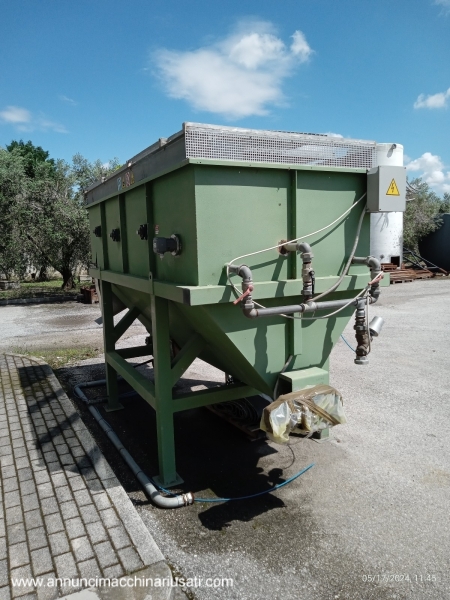
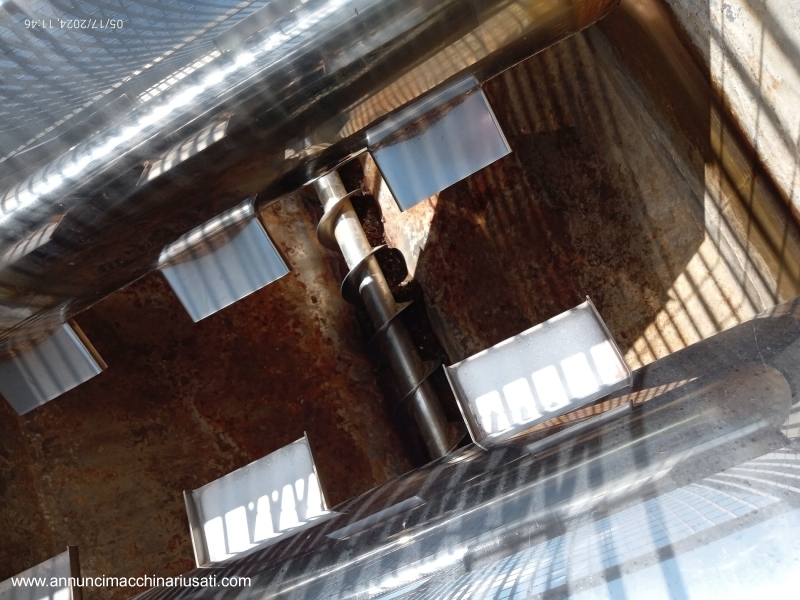
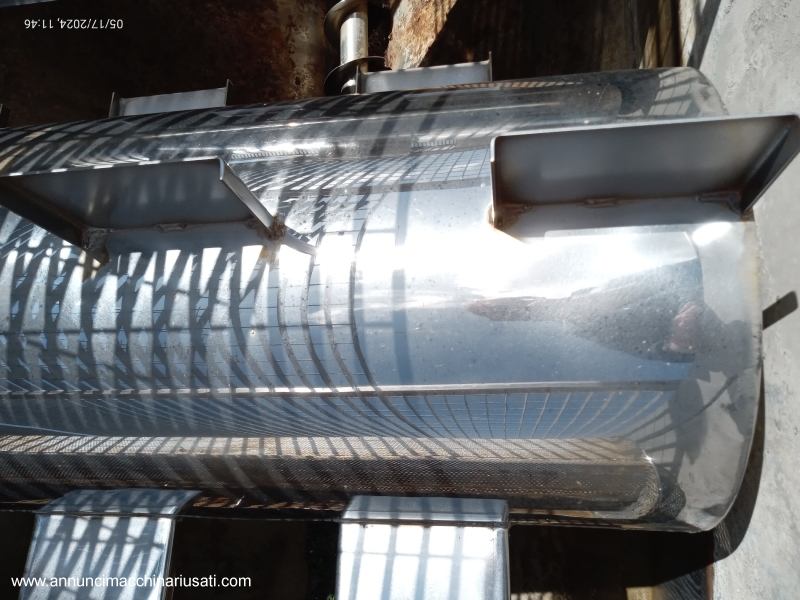
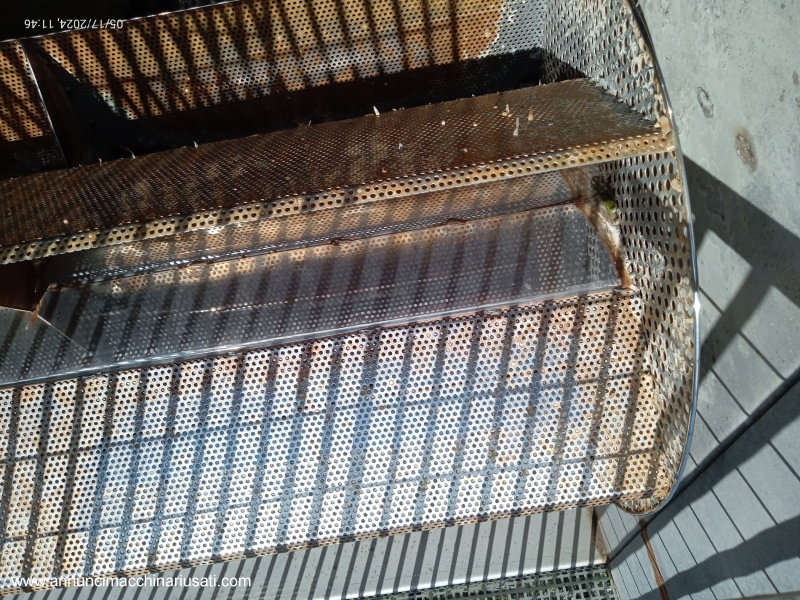
MC 6.5 plastic washing and separation system COMPLETE WITH AUGER - WORKING
A plastic washing system is designed to clean and separate different types of plastic, removing contaminants such as dirt, oil, ink, and other impurities. Here's an overview of the materials used, major manufacturers, benefits, operation, types, and cost-effectiveness of plastic washing systems:
### Materials Used
Plastic washing systems can be built using a combination of materials depending on the application's specifics and environmental conditions. Some common materials include:
- **Stainless Steel**: Used for parts exposed to water and chemicals, to ensure corrosion resistance and durability.
- **Carbon Steel**: Used for structural parts and components that require strength and solidity.
- **Plastic Materials**: Used for non-structural parts and components that may come into contact with plastics during washing.
### Main Manufacturers
The main manufacturers of plastic washing systems include:
1. **Herbold Meckesheim**: Provides complete plastics recycling plants, including washing and separation systems.
2. **Vecoplan**: Offers advanced solutions for plastics recycling, including efficient and technologically advanced washing plants.
3. **Erema**: Specializes in advanced systems for the treatment and recycling of plastics, including plastic washing plants.
4. **Sorema**: Designs and manufactures complete plastics recycling plants, including highly efficient washing systems.
5. **B+B Anlagenbau**: Offers customized solutions for plastics processing, including washing plants for various applications.
### Advantages of a Plastic Washing System
1. **Waste Reduction**: Helps reduce the volume of plastic waste sent to landfills.
2. **Resource Recovery**: Enables the recovery and recycling of plastics, reducing reliance on virgin raw materials.
3. **Regulatory Compliance**: Helps companies comply with environmental regulations and regulatory requirements for plastics processing.
4. **Energy Efficiency**: Some facilities can be designed to improve energy efficiency, reducing operating costs.
### How a Plastic Washing System Works
- **Feeding Phase**: Post-consumer or post-industrial plastics are fed into the plant.
- **Crushing and Cleaning Phase**: The plastics are crushed into small pieces and then cleaned to remove contaminants such as inks, oils, and other residues.
- **Separation Phase**: The cleaned plastics are separated by type and quality for further recycling.
### Types of Plastic Washing Systems
1. **Wet Systems**: Use water and detergents to remove contaminants from plastics.
2. **Dry Systems**: Use mechanical processes without the use of water, ideal for certain types of plastics and applications.
### Why It's Worth Buying a Used Plastic Washing System
Buying a used plastic washing system can be advantageous for several reasons:
- **Low Costs**: Used systems are generally cheaper than new ones.
- **Immediate Availability**: They can be available immediately, without waiting for production or delivery of a new one.
- **Sustainability**: Contributes to environmental sustainability by recycling plastics instead of disposing of them.
- **Functionality Testing**: You can test the used system to verify its ability to perform to your specifications before purchasing.
Before purchasing a used plastic washing system, it's important to evaluate its current condition, maintenance history, and compatibility with your company's specific plastic recycling needs. Be sure to perform a thorough inspection and functional testing to ensure optimal efficiency and longevity.