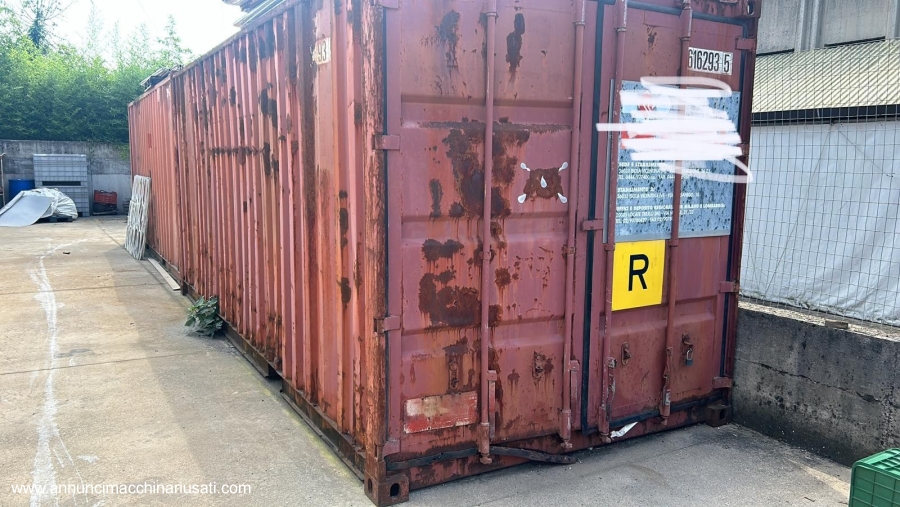
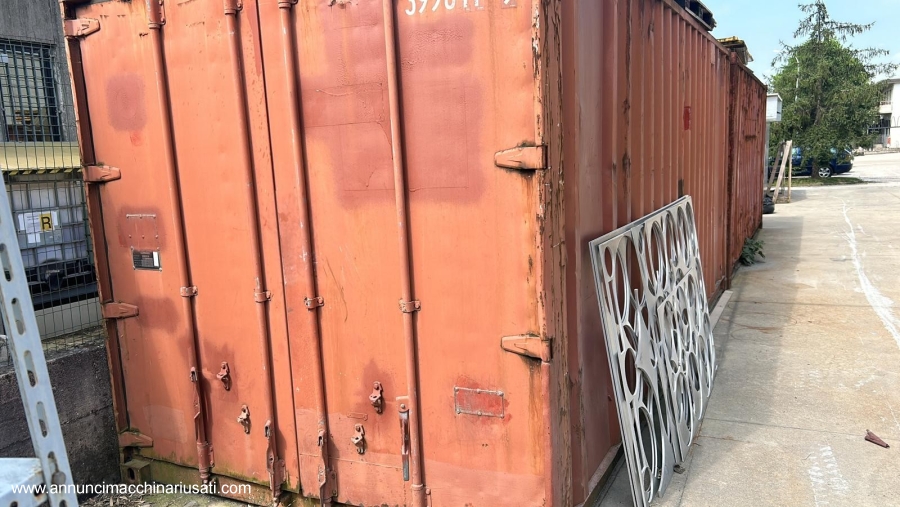
I'm selling two 20-foot shipping containers for storage. They cannot be sold individually.
Using a shipping container as a warehouse is a common practice for storing and managing goods. Containers, such as the 20-foot model, offer a versatile and relatively inexpensive solution for a variety of uses. Here's a detailed overview of how shipping containers work, how they're used, the different types available, the materials they can store, alternatives to containers, calculations for optimizing their use, and why buying a used container might be worthwhile.
How a Shipping Container Works
A shipping container is a sturdy metal structure designed for the transport and storage of goods. It is generally made of Corten steel, a type of steel with high corrosion resistance.
Operation:
- Structure: Containers have a cubic or rectangular structure with reinforced walls, floors, and roofs. They are designed to withstand harsh environmental conditions and can be stacked on top of each other.
- Locking and Security: They are equipped with doors with locks and locking mechanisms to ensure the safety of the goods inside. Some containers may be equipped with alarm or monitoring systems.
- Ventilation: Some containers have ventilation holes to prevent moisture and condensation from building up inside, which is especially important for moisture-sensitive materials.
How to Use a Shipping Container
Using a shipping container as a warehouse requires some precautions:
- Site Preparation: Make sure the placement site is level and solid enough to support the weight of the container. If necessary, use a leveling pad.
- Positioning: Use a forklift or crane to place the container in the desired location.
- Space Utilization: Organize the interior of the container to maximize storage space. You can install shelving or shelves for better organization.
- Access and Security: Keep access keys and periodically check the condition of locks and locking mechanisms.
Types of Marine Containers
There are different types of containers, each designed for specific uses:
- Standard Containers (Dry Cargo): Used for the transport of general cargo.
- Reefer Containers: Equipped with a cooling system for the transport of perishable goods.
- Tank Containers: Designed for the transport of liquids.
- Open Top Containers: They have a removable roof to facilitate the loading of bulky goods.
- Container Flat Rack: Without side and top walls, suitable for bulky and heavy loads.
- High Cube Containers: Taller than standard containers, offering more internal space.
Materials That Can Be Stored
Shipping containers can accommodate a wide range of materials, including:
- General Merchandise: Clothing, electronics, tools, etc.
- Building Materials: Wood, metals, construction equipment.
- Food products: (in refrigerated containers) fruit, vegetables, meat, dairy products.
- Liquids: (in tank containers) oils, chemicals, fuels.
- Equipment and Machinery: Spare parts, industrial equipment.
Alternative Machinery
If you are looking for alternatives to shipping containers for storage, consider:
- Prefabricated Warehouses: Modular structures that can be assembled quickly and customized.
- Self-Serve Storage Units: Spaces rentable for personal or business use, often in secure, guarded locations.
- Industrial or Commercial Spaces: Dedicated buildings that offer storage capacity with additional amenities.
- Silos and Tanks: For specific materials such as grains or liquids.
Calculations to Optimize the Use of a Maritime Container
To make the best use of space in a container, it is useful to perform some calculations:
- Storage Capacity: A 20-foot shipping container has an internal capacity of approximately 33 cubic meters (1,172 cubic feet). Calculate storage capacity based on the size and volume of the items you need to store.
- Weight Distribution: Make sure the weight inside the container is evenly distributed to avoid the risk of structural damage.
- Space Organization: Plan the arrangement of shelves and racks to optimize accessibility and space efficiency.
Why It's Worth Buying a Used Shipping Container
Buying a used shipping container can offer several advantages:
- Lower Cost: Used containers cost significantly less than new ones, reducing your initial investment.
- Durability: Shipping containers are designed to last and withstand extreme conditions, so even used models can be in excellent condition.
- Immediate Availability: Used containers are often available immediately, without the wait for production or delivery of new models.
- Versatility: A used container can be easily adapted and modified to meet specific storage needs, such as adding ventilation or security systems.
- Resale Value: Used containers tend to hold their value quite well, so they can be a good investment even for future resale.
In short, a used 20-foot shipping container represents an economical and durable solution for storage and warehousing needs. Its versatility and durability make it suitable for a variety of uses, making it a practical and advantageous choice for many applications.